


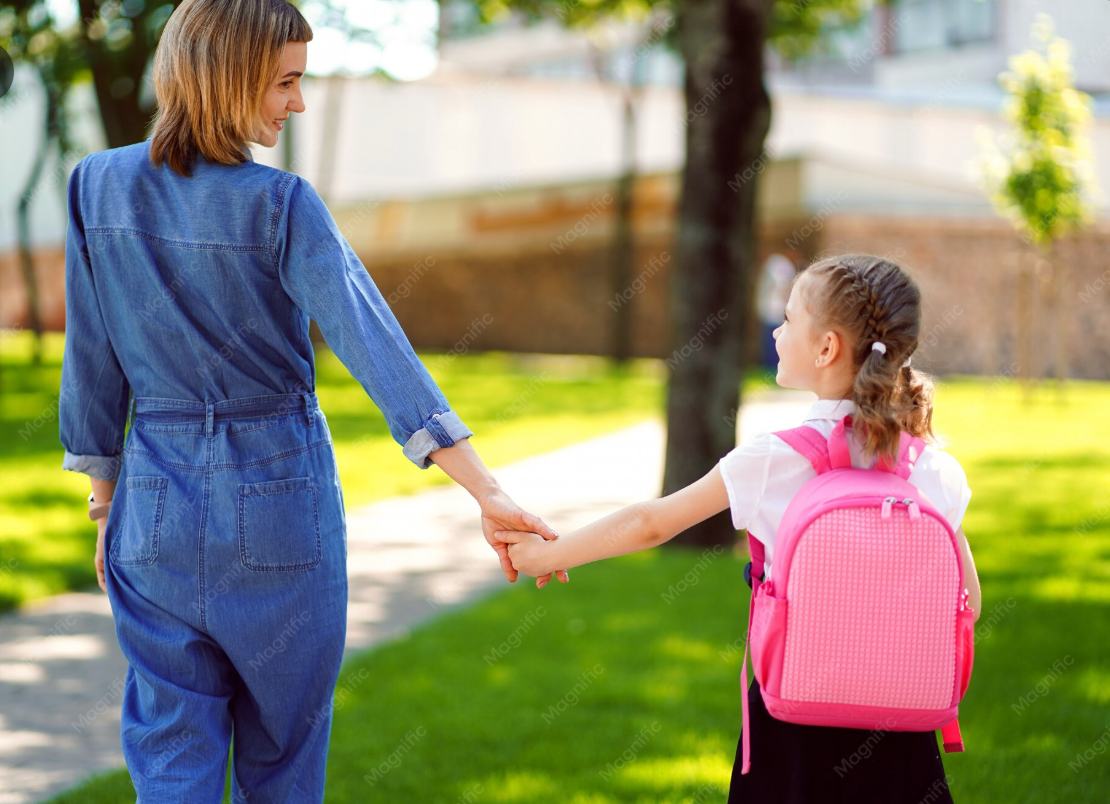
Starting preschool is a major milestone for both children and parents. It marks the beginning of a new chapter filled with learning, friendships, and personal growth. However, for many families, this exciting transition also brings a common challenge—separation anxiety.
It is completely normal for young children to feel anxious when they are away from their parents or carers for the first time. Tears during drop-off, clinging to a parent, or refusing to enter the classroom are all natural responses as children adjust to a new environment.
The good news is that separation anxiety is temporary. With patience, consistency, and support from both parents and teachers, children gradually become more comfortable and confident. Choosing the best preschool in Ajman also plays an important role in helping children feel secure and enjoy their learning journey.
In this guide, we’ll explore what separation anxiety is, why it happens, and practical ways parents can help their children transition to preschool with confidence.
What Is Separation Anxiety?
Separation anxiety is a normal stage of child development. It occurs when children experience distress after being separated from the people they feel safest with, usually their parents or primary carers.
Although separation anxiety often begins during infancy, it may become more noticeable when children start preschool because they are entering an unfamiliar environment with new routines, teachers, and classmates.
Every child responds differently. While some adjust within a few days, others may need several weeks to feel comfortable.
Common Signs of Separation Anxiety
Recognising the signs helps parents respond with understanding rather than frustration.
Some common signs include:
- Crying during drop-off
- Clinging to parents
- Refusing to enter the classroom
- Asking repeatedly to go home
- Complaining of stomach aches or headaches without illness
- Difficulty sleeping before preschool days
- Becoming unusually quiet or withdrawn
These behaviours are usually temporary and improve as children develop trust in their new environment.
Why Do Children Experience Separation Anxiety?
Several factors contribute to separation anxiety during preschool.
New Environment
Preschool introduces unfamiliar classrooms, teachers, toys, and routines. Even positive changes can feel overwhelming for young children.
Strong Emotional Bond
Children who share a close relationship with their parents naturally find it difficult to separate during the early days.
Fear of the Unknown
Young children often wonder:
- Will my parents come back?
- Will I be safe?
- Will anyone help me if I need something?
These worries are completely normal.
Major Life Changes
Moving to a new home, welcoming a sibling, changes in family routines, or other significant events can increase feelings of insecurity.
How Parents Can Help Reduce Separation Anxiety
Helping your child feel secure starts well before the first day of preschool.
1. Talk About Preschool Positively
Introduce preschool as an exciting place where children play, learn, explore, and make friends.
Avoid statements like:
“Don’t cry.”
Instead, say:
“You’re going to have so much fun painting, playing outside, and meeting new friends.”
Positive language builds curiosity rather than fear.
2. Visit the Preschool Before the First Day
Familiarity reduces anxiety.
If possible, visit the preschool together before classes begin.
Allow your child to:
- Explore the classroom
- Meet the teachers
- See the playground
- Become familiar with the environment
When children recognise familiar faces and places, they feel much more secure on their first day.
3. Create a Consistent Morning Routine
Children feel safer when they know what to expect.
A predictable morning routine may include:
- Wake up
- Get dressed
- Eat breakfast
- Brush teeth
- Pack school bag
- Leave home calmly
Consistency reduces uncertainty and helps children transition more smoothly.
4. Keep Goodbyes Short and Positive
Lengthy emotional goodbyes often increase anxiety.
Instead:
- Give a hug.
- Smile.
- Say goodbye confidently.
- Reassure your child you’ll return.
- Leave without hesitation.
Children often calm down much faster after parents leave than many parents expect.
5. Never Leave Without Saying Goodbye
Sneaking away may seem easier, but it can reduce trust.
Children need to know that parents always say goodbye—and always come back.
This helps build emotional security over time.
6. Allow Children to Express Their Feelings
Rather than dismissing their emotions, acknowledge them.
You might say:
“I know you’re feeling nervous today. It’s okay to feel that way. Your teachers will take good care of you, and I’ll see you after school.”
When children feel heard, they often recover more quickly.
7. Build Independence at Home
Small daily responsibilities help children become more confident.
Encourage them to:
- Put away toys
- Wash hands independently
- Wear shoes
- Carry their own backpack
- Make simple choices
These everyday achievements build self-confidence before preschool begins.
8. Avoid Returning After Saying Goodbye
One of the most common mistakes parents make is returning to the classroom after leaving because they hear their child crying.
Although it comes from love, this often reinforces the belief that crying brings parents back.
Trust the teachers to comfort your child.
9. Celebrate Small Progress
Every successful drop-off deserves encouragement.
Celebrate achievements like:
- Walking into class independently
- Smiling at a teacher
- Making a new friend
- Participating in activities
Praise builds confidence and motivates children to continue adjusting.
10. Be Patient
Some children adjust within days.
Others need several weeks.
Avoid comparing your child with others.
Every child develops emotional confidence at their own pace.
How Teachers Support Children with Separation Anxiety
A nurturing preschool environment makes a significant difference.
Experienced teachers know how to comfort children by:
- Greeting each child warmly
- Offering engaging activities immediately
- Creating predictable daily routines
- Building trusting relationships
- Encouraging friendships
- Providing reassurance throughout the day
When children feel emotionally safe, learning naturally follows.
Activities That Help Children Feel Comfortable
Many preschool activities naturally reduce anxiety by helping children engage with their surroundings.
These include:
Storytelling
Stories help children understand emotions and relate to characters experiencing similar feelings.
Creative Arts
Drawing, painting, and craft activities provide healthy emotional expression.
Outdoor Play
Physical activity reduces stress while encouraging exploration and confidence.
Music and Movement
Songs, dancing, and group activities help children feel connected with classmates.
Circle Time
Daily group discussions create familiarity and strengthen social bonds.
When Should Parents Be Concerned?
While separation anxiety is normal, professional guidance may be helpful if your child:
- Continues experiencing intense anxiety for several months
- Refuses to attend preschool consistently
- Experiences frequent panic or extreme distress
- Shows significant changes in eating or sleeping habits
- Stops participating in everyday activities
In such situations, working closely with teachers and healthcare professionals can help identify the best support.
The Importance of Choosing the Right Preschool
Not all preschools provide the same level of emotional support.
A child-centred learning environment can make the transition much easier.
When looking for the best preschool in Ajman, parents should consider:
- Caring and experienced teachers
- Small class sizes
- Safe and welcoming classrooms
- Individual attention
- Play-based learning
- Strong communication with parents
- Consistent daily routines
- Opportunities for social interaction
Children thrive when they feel valued, respected, and emotionally secure.
How KidsJoy Green Planet Supports Children
At KidsJoy Green Planet, we understand that starting preschool is a big step for every child and family.
Our caring educators focus on building trust from the very first day. We create a warm, welcoming environment where children can explore, play, and learn at their own pace. Through engaging activities, gentle encouragement, and consistent routines, we help children gain confidence and develop a positive attitude toward school.
Our approach emphasises emotional well-being alongside academic and social development, ensuring every child feels supported throughout their preschool journey.
Final Thoughts
Separation anxiety is a natural part of growing up, and it doesn’t last forever. With understanding, patience, and consistent support, children gradually learn that preschool is a safe, enjoyable place where they can build friendships, discover new interests, and develop essential life skills.
Parents play an important role by staying calm, maintaining routines, and encouraging independence. Equally important is choosing a preschool that prioritises emotional well-being as much as learning.
If you’re looking for the best preschool in Ajman, selecting a nurturing environment with experienced teachers can make all the difference in helping your child feel confident from day one. At KidsJoy Green Planet, we are committed to making every child’s first preschool experience a happy, secure, and enriching one.