


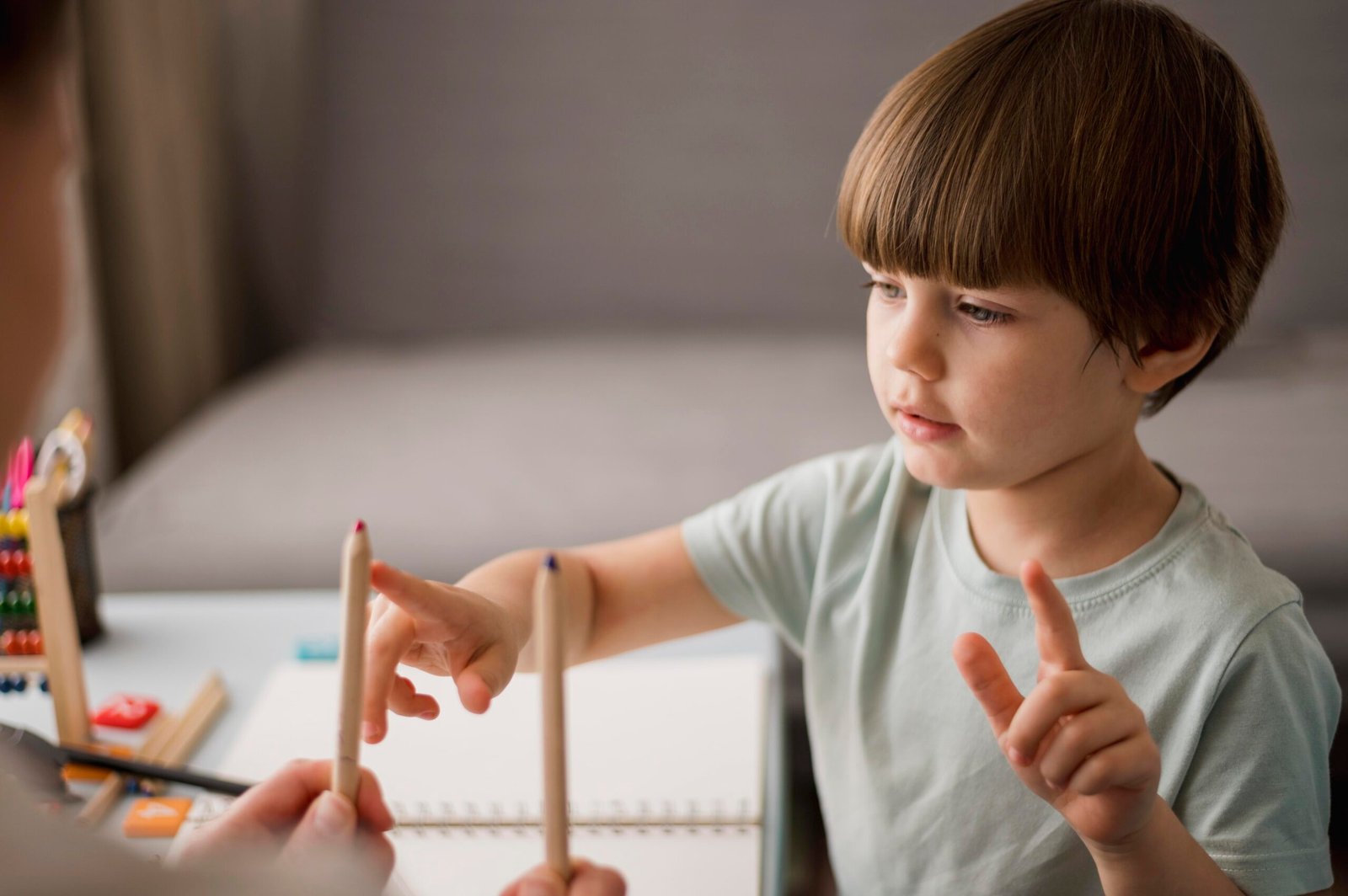
Every child grows at their own pace, and it’s natural for parents to compare notes with each other about who’s walking, talking, or potty-trained first. Most of the time, those differences even out. But sometimes, a child consistently lags behind in one or more areas of development, and that’s worth paying closer attention to.
Developmental delays are more common than many parents realise. Estimates suggest that a meaningful percentage of preschool-aged children experience some form of delay in speech, motor skills, or social-emotional growth. The good news is that early recognition makes a real difference. The earlier a delay is identified, the earlier a child can get the right support to catch up.
If you’re raising a toddler or preschooler and something feels a little “off” but you can’t quite name it, this guide walks through the signs worth watching for and what to do next. It’s also one of the reasons choosing the right Preschool in Ajman matters so much – a good one will notice these things alongside you, not after you’ve already raised the concern yourself.
What Counts as a Developmental Delay?
A developmental delay simply means a child hasn’t reached the skills or milestones expected for their age in one or more areas. This could show up in:
- Speech and language – how a child understands and uses words
- Motor skills – both fine motor (hand coordination) and gross motor (whole-body movement)
- Social and emotional development – how a child relates to others and manages feelings
- Cognitive skills – thinking, problem-solving, and learning ability
A delay in just one of these areas is common and often resolves with support. When delays show up across two or more areas together, it’s sometimes described as a global developmental delay, and it usually calls for a more thorough evaluation.
Speech and Language Delays
Language is often the first area where parents notice something different. Watch for:
- Little to no attempt at words or gestures to communicate by 18 months
- Difficulty following simple instructions by age 2
- A vocabulary that seems noticeably smaller than same-age peers
- Trouble forming short sentences by age 3
- Speech that’s hard for even close family to understand by age 4
It’s worth remembering that children develop language at different speeds, and being a little quieter than a sibling isn’t automatically cause for concern. But a consistent lack of attempts to communicate, rather than just a smaller vocabulary, is the detail worth flagging to a paediatrician.
Motor Skill Delays
Motor delays can affect big movements (gross motor) or smaller, more precise ones (fine motor).
Gross motor signs to watch for:
- Not walking independently by around 18 months
- Frequent stumbling or clumsiness well beyond what’s typical for their age
- Difficulty climbing stairs, jumping, or running compared to peers
Fine motor signs to watch for:
- Trouble holding a crayon, spoon, or small toy
- Difficulty stacking blocks or completing simple puzzles
- Struggling with buttons, zippers, or self-feeding at an age when peers manage these tasks
Preschool is actually one of the best environments for catching motor delays early since teachers see children practicing these skills daily alongside a large peer group, which makes differences easier to spot.
Social and Emotional Delays
These signs are sometimes harder for parents to notice because they build gradually. Some indicators include:
- Limited eye contact or reduced interest in interacting with others
- Difficulty playing alongside or with other children
- Trouble understanding or responding to basic social cues, like taking turns
- Extreme difficulty with transitions or changes in routine
- Emotional reactions that seem disproportionate to the situation, happening frequently
Every child has off days, and some are simply more introverted by nature. What matters here is a consistent pattern rather than an occasional rough afternoon.
Cognitive Delays
Cognitive delays tend to become more noticeable as a child approaches school age, though early signs can appear sooner:
- Difficulty remembering recently taught concepts, like colors or shapes
- Trouble following two-step instructions by age 3-4
- Limited curiosity or exploration compared to same-age peers
- Struggling with cause-and-effect play, like understanding that pressing a button makes a toy light up
Why Early Intervention Matters
A child’s brain does an enormous amount of its foundational development in the first five years. This is exactly why early intervention tends to be so effective — therapies and support introduced during this window can help a child close the gap with peers well before they start formal schooling.
Early intervention doesn’t always mean something is “wrong” with a child. Often, it simply means giving that child a bit of extra, targeted support in one area so they can move forward with confidence in every other area too.
What Parents Can Do
If you’ve noticed a few of these signs, here’s a practical next step:
- Track what you’re seeing. Note specific examples rather than a general feeling — dates, behaviours, and comparisons to typical milestones help a lot.
- Talk to your child’s teachers. At a good preschool, teachers see your child in a structured group setting every day and often notice patterns parents don’t get to observe at home.
- Consult your paediatrician. They can guide you toward a proper developmental screening if needed.
- Avoid the comparison trap online. Every child’s timeline is different, and searching for symptoms late at night rarely gives an accurate picture. A professional assessment will always tell you more than a checklist.
How the Right Preschool Environment Helps
Choosing the right preschool in Ajman can make a real difference here, not just for academics but for early detection and support. A preschool with small class sizes, attentive teachers, and support services like speech therapy on-site is far better positioned to notice subtle delays early and guide parents toward the right next steps.
At Kids Joy Green Planet, our low teacher-to-child ratio means our staff genuinely gets to know each child’s pace of development, not just their grades or activities. With speech therapy and experiential learning built into our programmes, we’re able to support children who need a little extra help alongside those who are right on track, all within the same nurturing environment.
A Gentle Reminder
Noticing a possible delay in your child isn’t a reason to panic. It’s simply a signal to look a little closer and get the right support in place, if needed. Most delays, when caught early, are very manageable, and children are remarkably capable of catching up with the right guidance around them.
If you’d like to talk through what you’re noticing in your child’s development, our team is always happy to have that conversation. Sometimes an outside perspective, especially one that sees your child in a classroom setting, is exactly what helps a concern turn into a clear next step.